


In which our season of Sherlock Holmes adaptation reaches the (other) one you’ve all been waiting for, Sherlock (2010—17), and we get so exercised about it we run out of space to discuss Elementary (2012—19) and, thankfully, Guy Ritchie’s Sherlock Holmes (2009). Although there’s little to be said about the latter other than to wonder at how a film so full of stuff could be so dull. Right, put the hat and coat on, here we go.
I blame Joss Whedon.
A lot of people blame Joss Whedon for a lot of things, but I specifically blame him for the disaster that was BBC’s Sherlock (2010—17), and how an inventive, spirited and breathless pulp-adventure became a self-indulgent, self-obsessed, self-sabotaging soap-opera.
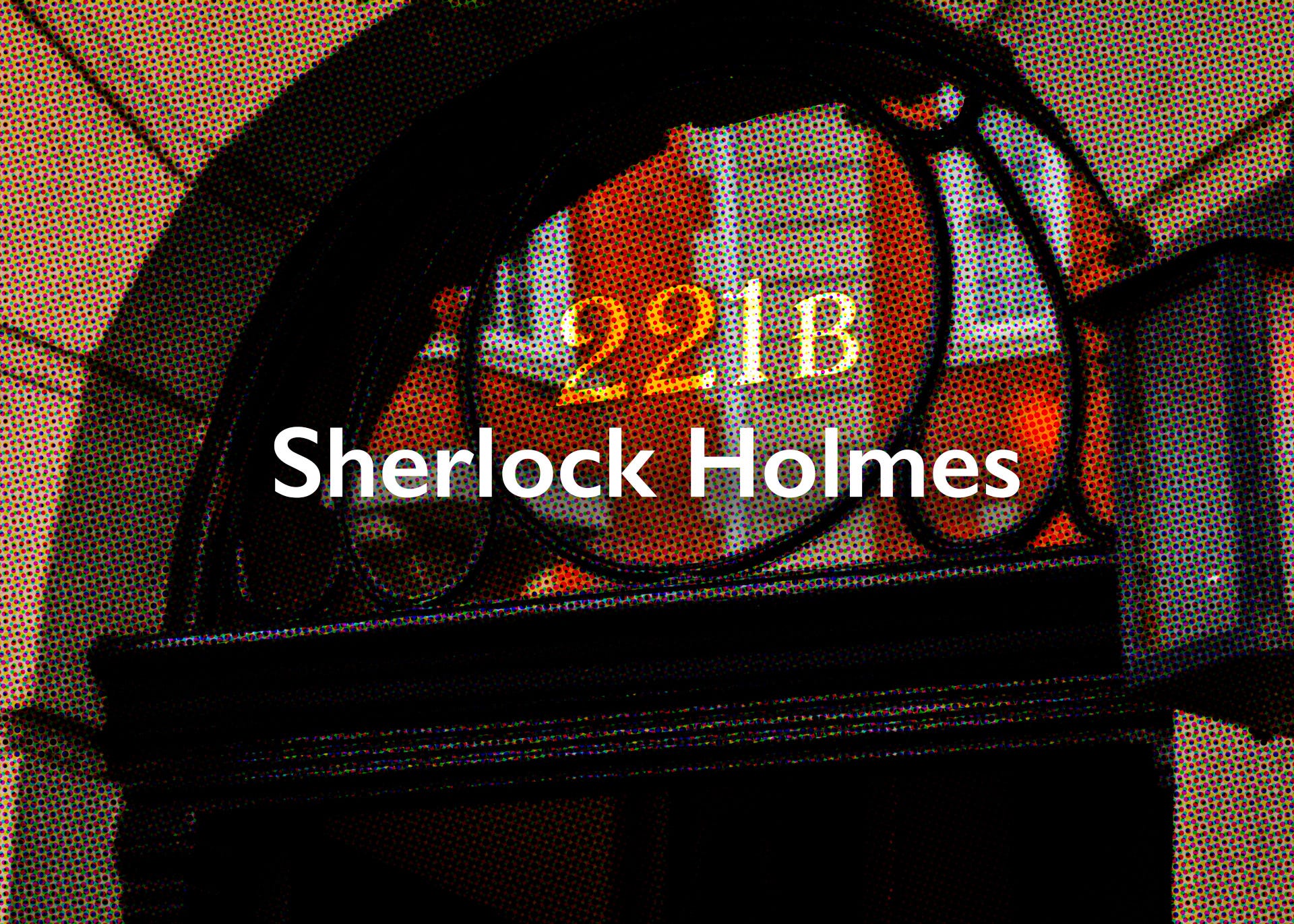
Sherlock was an updating of the Sherlock Holmes stories. It was masterminded by the writers Stephen Moffat and Mark Gatiss, and starred Martin Freeman as Watson and Benedict Cumberbatch as Holmes. Freeman was already pretty well known from the original The Office (2001—03); but Sherlock arguably sealed both star’s careers, earning them places in Middle Earth and the Marvel Cinematic Universe.
The show was immensely successful; and it was successful, importantly, as a broadcast TV show, before streaming and binge-watching. People had to actively tune in, every week. And they did, largely because it was an energetic, inventive and sexy updating, full of contemporary technology and tropes and set in an energetic and compelling contemporary London.
So what are we blaming Whedon for? He is best known for Buffy The Vampire Slayer (1997-2003), a TV series (spun off from his 1992 film) about a high school student who discovers she is fated to fight and kill vampires. Buffy showcases a pattern that Whedon would go on to repeat: a Strong Female Lead™ blessed with Mystical Movie Martial Arts, who is nevertheless young and apparently innocuous, and must be schooled and moulded by an older man. You might think that this sounds like a fantasy about relationships between directors and ingénue actors; you might be reminded of the multiple allegations about Whedon’s abusive on-set behaviour. But Buffy, too, was extraordinarily popular.
Buffy reinvented Victorian gothic tropes for a modern audience. It reinvigorated traditional modes with its verbal and visual style and its treatment of the canon. Picking up on the horror lore approach of ‘80s vampire movies Lost Boys (1987) and the peerless Near Dark (1987), Buffy repositioned the gothic from Victorian to post-punk. It also understood what the monsters meant thematically, and how they are used to dramatise and symbolise adolescence.
It also reinvented the format. Traditional syndicated shows — including the sitcoms on which Whedon had cut his teeth — required standalone episodes that could be watched in any order. Buffy had a basic monster-of-the-week structure of the kind that worked for syndication, but it also had loose, season-long storylines that culminated in a season-finale confrontation with a ‘Big Bad’. Alongside shows like The X-Files (1993—2002) and J. Michael Straczynski’s sci-fi epic Babylon 5 (1993—97), Buffy helped to map out the transformation of narrative TV: from stories to sagas, from episodic to progressive, and from discrete weekly helpings to binge-watching.
Sherlock was made in a TV environment in which Buffy had been a massive hit, and it embraced both these approaches. It is full of sparky dialogue, modern characterisation and contemporary stories; and it introduces a ‘Big Bad’ in the form of Moriarty, and builds its own fictional lore.
These innovations make the first episode, ‘A Study in Pink’, thrilling. But the urge to be contemporary and to recraft the canon quickly overwhelms the show. Eventually it is buried alive, stifled by soap opera plot convolutions and a deadweight of lore.